Elegant Vintage Floral Elements Graphics and Illustrations Review
As a brand designer who has spent years helping small businesses and creative entrepreneurs build visual identities that actually convert, I approach every new graphic design asset with a mix of skepticism and curiosity. In the crowded world of content marketing, visuals are often the first point of contact between a brand and its audience. If the imagery feels generic or cluttered, trust evaporates before the customer even reads the headline. Recently, I evaluated a set called Elegant Vintage Floral Elements, and I want to share how this specific collection fits into real-world branding workflows, particularly for those looking to elevate their visual hierarchy without sacrificing clarity.
First Impressions: Mood, Tone, and Audience Perception
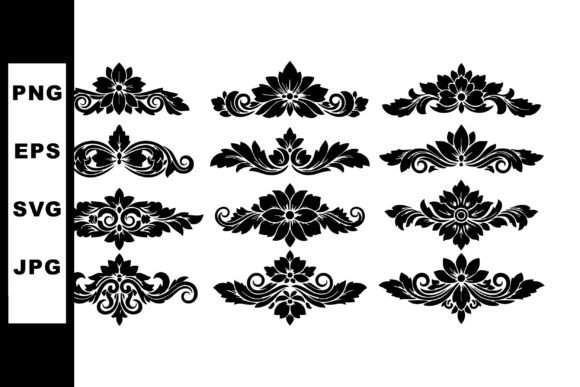
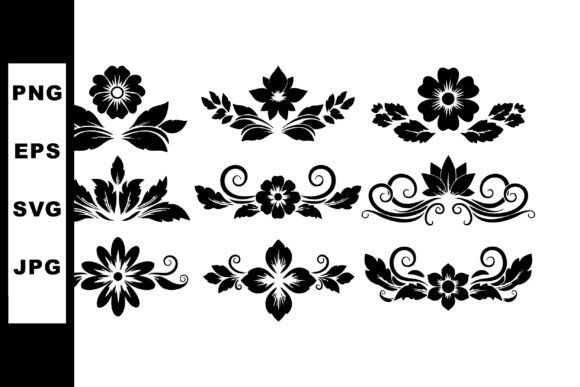
The moment you open this file, the intent is clear. This vector file features decorative floral design elements with detailed leaves and petals arranged in elegant vintage style compositions. Ideal for classic ornamental projects. Stylish and refined. It does not scream for attention; rather, it whispers sophistication. For brand owners and social media managers, this distinction is critical. The emotional tone here is one of timelessness and care. It suggests a brand that values quality, heritage, and aesthetic detail.
This mood is highly suitable for lifestyle content, handmade products, and premium visual campaigns. When used correctly, these illustrations signal to the viewer that the product behind them is crafted with intention. However, if your brand identity is rooted in ultra-minimalist modernism or aggressive tech-forward messaging, this asset might feel out of place. It thrives in spaces where warmth and elegance are the primary goals, such as wedding invitations, boutique packaging, or editorial graphics for lifestyle blogs.
Real-World Application: A Seasonal Launch Scenario
To understand the practical value of this asset, let’s look at a real case. Imagine a small business launching a limited-edition line of artisanal candles or organic skincare products. They need to refresh their social media visuals, create Pinterest pins, and design packaging inserts for a seasonal offer. The goal is to attract attention without looking messy or unprofessional.
In this workflow, Elegant Vintage Floral Elements serves as the backbone of the visual theme. Instead of creating custom illustrations from scratch—which can be costly and time-consuming—the brand can integrate these design assets into their existing templates. For example, the detailed leaves can frame a product photo on an Instagram post, adding depth without obscuring the item. On Pinterest, these elements can serve as borders for infographic-style pins, guiding the eye toward key benefits. The versatility of the vector format means the brand can scale these graphics up for large banners or down for subtle accents on product labels, ensuring a cohesive look across all touchpoints.
Supporting Marketing Goals Through Visual Consistency
Effective brand identity relies heavily on consistency. When every piece of content—from email banners to digital ads—shares a similar visual language, it builds audience trust. This floral collection supports several key marketing goals:
- Stronger First Impression: High-quality, detailed vectors immediately convey professionalism. A blurry or poorly drawn image can undermine even the best copy.
- Clearer Visual Hierarchy: By using these elements as framing devices or background textures, designers can guide the viewer’s eye to the most important information, such as a call-to-action button or a sale price.
- Better Product Presentation: Adding a subtle floral border to a product shot can make it feel more curated and gift-ready, increasing perceived value.
- Emotional Connection: Vintage aesthetics often evoke nostalgia and comfort. For brands targeting audiences who appreciate tradition and craftsmanship, this connection is invaluable.
Whether you are creating a lead magnet, designing a media kit, or preparing a Canva template for clients, having access to these refined SVG design and PNG design files saves significant time while maintaining a high standard of professional branding.
Where This Asset Shines in Design Projects
This collection is particularly effective when used as decorative brand elements in specific contexts. It works beautifully as a hero graphic for a landing page header, adding character to otherwise plain white space. For packaging design, these elements can be used as corner accents or full-pattern backgrounds on boxes and tags. In editorial design, they can separate sections of a blog post or newsletter, breaking up text in an aesthetically pleasing way.
Additionally, for digital sellers and creative entrepreneurs, this asset can be part of a larger design bundle. You might use these florals to create printable decorations, event flyers, or merchandise designs like stickers and tote bags. The classic nature of the design ensures it won’t look dated in a few months, making it a safe investment for long-term commercial design projects.
Strategic Limitations and Careful Placement
No single asset is a silver bullet. There are situations where Elegant Vintage Floral Elements should be used with caution. For formal corporate branding, especially in industries like finance or healthcare, these ornate details might appear too casual or decorative. Similarly, in dense information layouts or text-heavy ads, intricate floral patterns can compete with the main message, causing cognitive overload for the reader.
Small mobile graphics also require careful scaling. If the details become too fine when shrunk down, the image may lose its impact or appear muddy on smaller screens. Furthermore, low-contrast backgrounds can make dark-colored floral elements disappear. It is crucial to test these visuals against your specific background colors to ensure legibility and visual balance. Avoid using these elements where they might distract from the primary call-to-action; their role should be supportive, not dominant.
Practical Brand Designer Notes for Implementation
To get the most out of this asset, I recommend following a few practical steps during your design process. First, test the elements with your brand color palette. While the default colors may be neutral, recoloring the vectors to match your brand’s primary and secondary colors will help integrate them seamlessly into your visual hierarchy.
Next, check the black and white usage. Ensure that the contrast levels remain strong enough for readability, especially if you plan to print these on physical materials like product labels or promotional banners. Place the graphics inside real campaign mockups to see how they interact with other design components. Preview them on mobile screens to verify that the level of detail holds up at smaller sizes.
Typography pairing is another critical factor. These vintage florals pair exceptionally well with serif fonts, which complement their classic aesthetic. They can also work with script or handwritten fonts for a romantic, personal touch. However, be cautious when pairing them with bold sans-serif or display fonts, as the contrast in styles might clash unless balanced carefully. Finally, always review spacing and balance. Let the negative space breathe so the intricate details can stand out without overwhelming the composition. Before using these in paid campaigns, client work, or business branding, confirm the commercial license terms to ensure you are fully protected.
In summary, Elegant Vintage Floral Elements is a versatile and stylish addition to any designer’s toolkit. For brand owners, marketers, and content creators looking to add a touch of refined elegance to their marketing visuals, this asset offers both beauty and functionality. By understanding its strengths and limitations, you can leverage these graphics to create memorable, professional, and emotionally resonant campaigns that truly connect with your audience.